← The libraryTopic collection / 7 explainers
Discovery
Follow the experiments behind biological ideas, from organoids and protein structures to the microbiome, resistance and AI predictions.
Articles in this topic
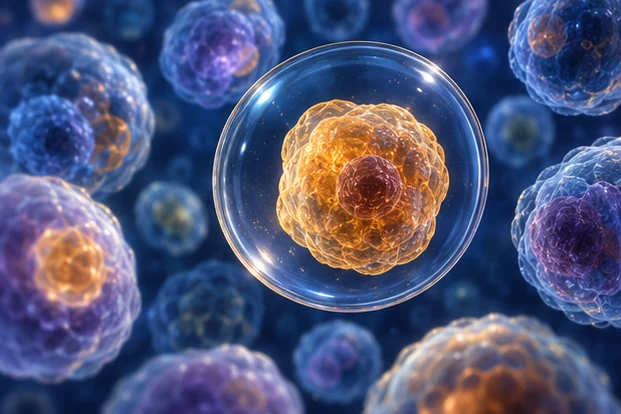
Resolving RNA profiles cell by cell can reveal populations hidden in tissue averages. It also introduces sampling, preparation and interpretation problems that a colorful cell map cannot solve.
Read the explainer ↗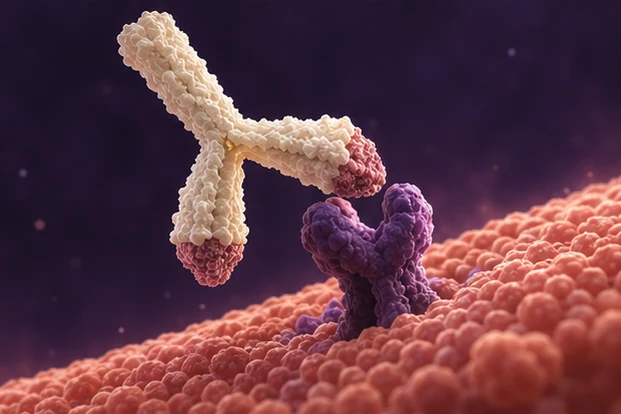
Binding a target is only the opening test. A therapeutic antibody must produce the right biological effect, reach the right place, and remain a reliable product through manufacture and use.
Read the explainer ↗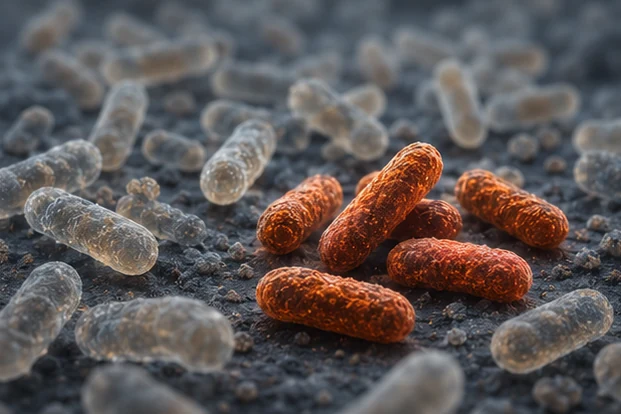
Medicines change which microbes survive and spread. Understanding resistance requires following both the biological mechanisms inside organisms and the routes that move resistant infections through communities.
Read the explainer ↗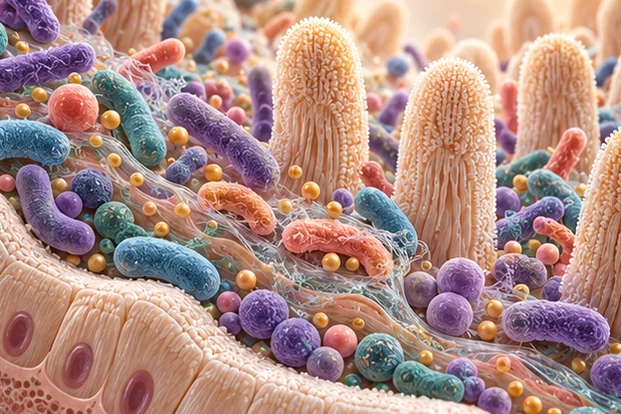
Finding different microbes in people with a disease is a starting point, not an explanation. Stronger evidence asks which organisms or molecules change a biological process, under what conditions, and with what consequences for patients.
Read the explainer ↗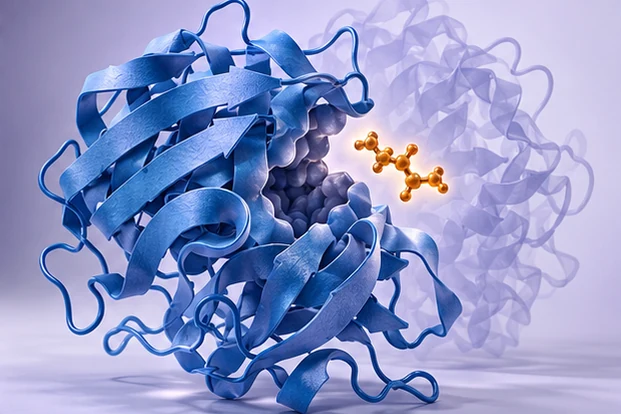
Three-dimensional structures reveal possibilities that a sequence alone can hide. They do not, by themselves, establish activity, explain a patient's variant, or prove that a drug will work.
Read the explainer ↗
Stem cells can organize into three-dimensional tissues that reproduce selected features of organs. Their scientific value depends on knowing exactly which features they capture—and which they leave out.
Read the explainer ↗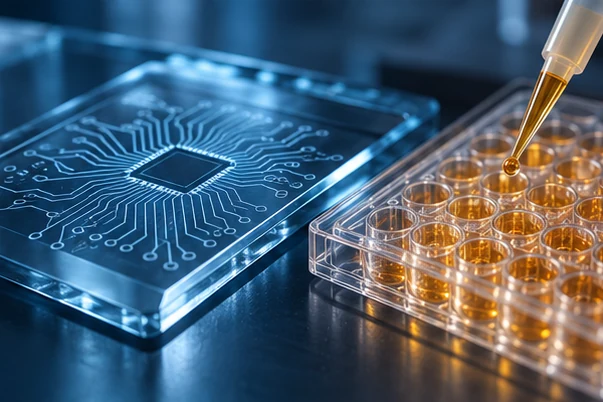
Models can help researchers choose what to test next. Their strongest claims still need independent data, laboratory confirmation, and ultimately evidence in people.
Read the explainer ↗